
Criminal Court Records in Lowndes County
A criminal court record opens the moment a charge reaches the clerk. The file grows as the case moves. It can hold the charging document, bond orders, arraignment entries, plea papers, motions, hearing dates, the verdict or plea, the sentence, and any warrant tied to the case. The clerk who keeps the file depends on the court. For felonies and serious matters, the Circuit Clerk holds the file. For city cases, the municipal court keeps its own record.
Lowndes County hears criminal cases at several levels. Circuit Court tries felony cases in the 16th Circuit District. County Court hears misdemeanor criminal appeals that come up from Municipal and Justice Court. Justice Court handles misdemeanor violations outside city limits and the early steps of felony cases. Columbus Municipal Court handles city misdemeanors, ordinance cases, and traffic matters. Each court produces its own slice of the record, so the level of the charge points you to the file.
The split matters because a single person can appear in more than one court. A city ticket sits in Municipal Court. A county misdemeanor sits in Justice Court. A felony moves through Justice Court for the preliminary step and then to Circuit Court after a grand jury acts.
How to Search Lowndes County Criminal Court Records
The main remote tool for Circuit and County Court criminal files is the Delta Computer Systems portal linked by the county. The Delta Circuit Clerk search page lists Criminal Court as one of its record groups. Criminal case data runs from 1993 to the present, with document images from September 2010 forward. Access is by subscription at 30 dollars per month or 360 dollars per year, which includes a small monthly Delta processing fee. Official copies still come from the courthouse, since the online index is not the certified record.
- Open the Delta Circuit Clerk portal and create an account, then choose a subscription to view case detail.
- Search by the defendant name or by the case number if you already have it.
- Narrow the result by court, case type, and filing date to find the right file.
- Open the case to read the docket entries, the plea, and the disposition.
- Request a certified copy from the Circuit Clerk if you need an official document.
Statewide electronic files are reachable through Mississippi Electronic Courts and its public side, PAMEC. The Mississippi Electronic Courts system went live for Lowndes County Circuit Court and County Court on July 24, 2023. Public users register through the PAMEC registration page for a 10 dollar yearly fee plus 20 cents per page returned. Records filed before that go-live date may sit only in the paper file or the older index, so older cases may call for a phone or in-person request to the Circuit and County Court Criminal Division at 662-241-1920 or 662-329-3335.
Stages of a Lowndes County Criminal Case
A criminal case moves through set steps, and each step leaves a mark in the record. Felony cases in Lowndes County often begin with an arrest and an affidavit, pass through a Justice Court preliminary, then reach Circuit Court after the 16th District Attorney presents the matter to a grand jury. A grand jury returns an indictment, which is the formal felony charge. Misdemeanor cases skip the grand jury and proceed on an affidavit or a charging document filed by the prosecutor.
Case flow: Charges Filed › Arraignment › Pretrial / Motions › Plea or Trial › Disposition › Sentencing
| Stage | What Happens |
|---|---|
| Arraignment | The defendant hears the charge and enters a plea of guilty, no contest, or not guilty. Bond conditions are often set or confirmed here. |
| Pretrial / Motions | Lawyers exchange discovery, argue motions, and set hearing dates. A case may move to drug court or pretrial intervention at this stage. |
| Plea or Trial | The case ends with a plea or goes to trial. Circuit Court felony trials use a jury; lower courts often try cases before a judge. |
| Sentencing | After a guilty plea or a guilty verdict, the court orders the sentence, which can include jail, probation, fines, or restitution. |
Not every case follows the same path. Some felony charges are reduced, dropped, or sent to a treatment track. The record shows each turn.
What a Lowndes County Criminal Court Record Shows
A criminal case file is built from many fields. Some name the people in the case. Others track the charge and the result. The Delta criminal index groups cases by court and date, while the full file holds the charging paper, the bond order, the plea, and the sentence. The table below lists the core fields you read when you open a Lowndes County criminal court record.
| Field | What It Shows |
|---|---|
| Case Number | The court-assigned number that ties every filing to one case. |
| Defendant | The person charged, often with a date of birth or other identifier. |
| Charges | The offense or offenses filed, by statute and severity level. |
| Plea | The answer entered at arraignment: guilty, no contest, or not guilty. |
| Disposition | The final outcome, such as a conviction, a dismissal, or an acquittal. |
| Sentence | The punishment ordered, which may list jail time, probation, fines, or restitution. |
The file also carries docket entries, motions, hearing dates, and any bond paperwork. A felony file can run long because each step adds a document.
Charges vs. Convictions in Lowndes County Records
A charge and a conviction are not the same thing. A charge is an accusation. A conviction is a finding of guilt by plea or verdict. A Lowndes County criminal court record can show charges that were later dropped, dismissed, or that ended in an acquittal. Reading a record well means separating what was filed from what was proven.
| Charge | Conviction | |
|---|---|---|
| Stage | Accusation | Verdict or plea |
| Burden of Proof | Probable cause | Beyond reasonable doubt |
| Public Record | Yes | Yes |
For a closer look at how charges are filed and how they change, see the Lowndes County arrest records and court charges page. That page tracks the charging side, while this page follows the full case file to its end.
Reading Dispositions and Sentences
The disposition is the line that tells you how a case ended. Common entries include guilty, not guilty, dismissed, and nolle prosequi, which means the prosecutor chose not to pursue the charge. A no contest plea, also called nolo, accepts the penalty without admitting guilt. A disposed or closed status means the court entered a final order, while a pending or open status means the case is still active.
The sentence follows a conviction. In Lowndes County, a sentence can mix jail or prison time with probation, fines, court costs, and restitution. Some cases route into the 16th Circuit drug court track, where the docket shows review hearings, drug testing, sanctions, and incentives rather than a single sentence line. Probation means supervision in place of or after time served. Parole is supervised release from state prison and is handled by the state, not the county clerk.
Sealed vs. Expunged Records in Lowndes County
Some criminal records are removed from public view. A sealed record is restricted by court order but still exists. An expunged record is treated under the law as if the matter never happened, and public databases should clear it once the court signs the order. In Mississippi, expunction runs through Miss. Code Ann. Section 99-19-71, which sets who qualifies and which serious offenses are excluded.
| Sealed | Expunged | |
|---|---|---|
| Visibility | Hidden from public | Destroyed / treated as never existed |
| Law Enforcement | Limited access | Very limited |
| Eligibility | By court order in qualifying cases | Section 99-19-71; first offenses and some others after waiting periods |
To seek expunction, a person files in the court where the charge or conviction occurred. That may be Circuit Court for a felony, County or Justice Court for a qualifying misdemeanor, or Municipal Court for a city charge. The applicant gets the case number and disposition from the clerk, files the petition, pays any fee or asks for a waiver, serves the prosecutor, and attends any hearing. If the judge signs the order, it goes to every agency that holds the record.
Public Access to Criminal Court Records
Mississippi treats most court records as open to the public. The state Public Records Act sets the baseline rule that government records are available unless a law exempts them. Criminal case files are public once filed, though the court can shield parts for privacy, victim safety, or an active investigation. The first access step is always to ask the office that keeps the record, which for felony and County Court files is the Circuit Clerk.
Key Statutes:
Miss. Code Ann. Section 25-61-1 - Mississippi public records are open for inspection unless a law provides an exemption.
Miss. Code Ann. Section 43-21-251 - Youth Court records and their contents are confidential except as the youth-court statutes allow.
Background Check Considerations
Reading a court file is not the same as running a background check. A formal background check for a job, a lease, or a license must follow the federal Fair Credit Reporting Act and use a licensed agency. A casual lookup of a public case file does not carry those duties, but it also cannot be used for those regulated decisions. For sentenced state inmates and prison history, the Mississippi Department of Corrections inmate search is a separate state tool.
Important: This site is a private reference and is not an FCRA-regulated consumer reporting agency, so its content cannot be used for employment, credit, or tenant screening.
Restricted Criminal Court Records in Lowndes County
Several criminal matters fall outside the ordinary public lookup. Youth Court handles delinquent acts by people under 18, and those records are confidential by statute. A delinquent act is conduct that would be a crime if an adult did it, with some serious offenses carved out. Sealed cases, sealed indictments, and active investigations can stay closed until service or a court order. The 16th District Attorney prosecutes felonies for Lowndes and three nearby counties, and some details stay private while a case is open.
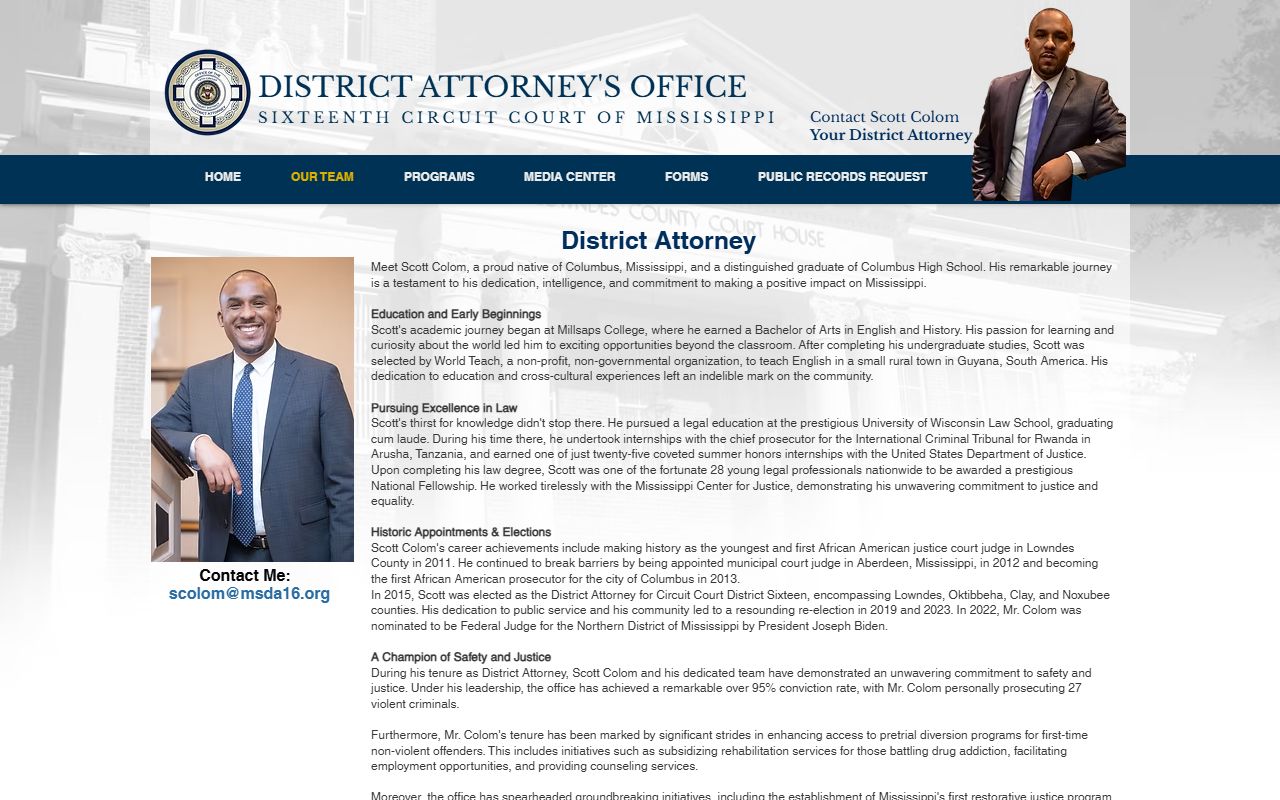
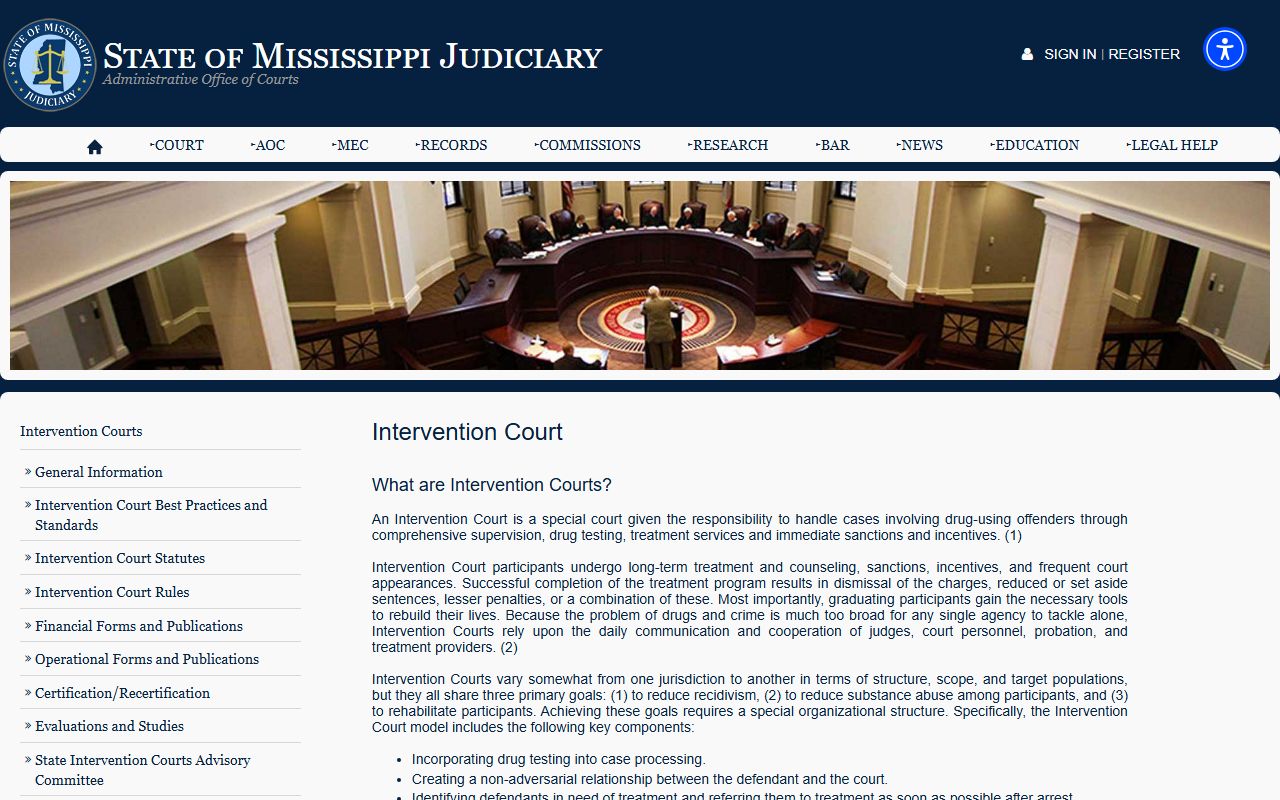
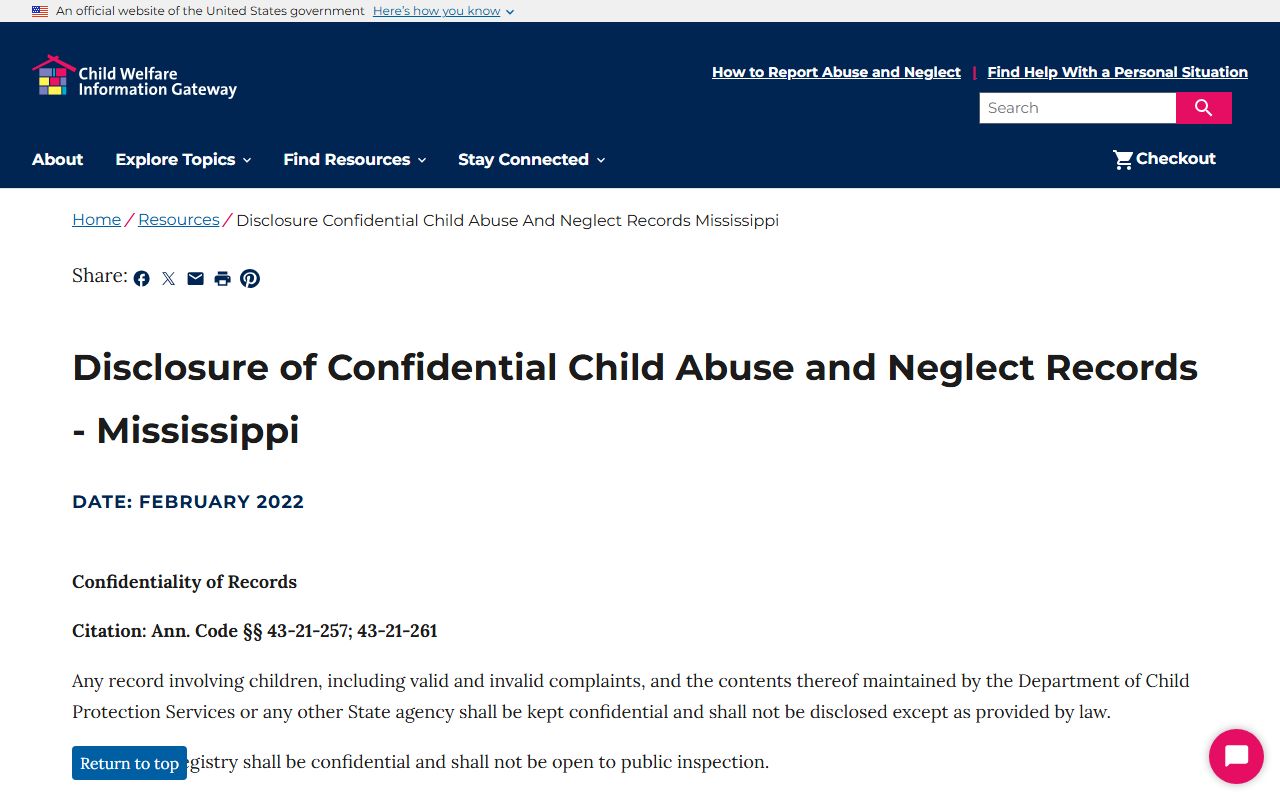
The county and the state offer help for the people in these cases. The 16th District Attorney, led by District Attorney Scott Colom, runs programs such as drug court and pretrial intervention that can change how a charge resolves. Mississippi keeps an intervention court model for drug-using offenders. Indigent defendants can seek counsel through the court or the state public defender directory. Records on children held by youth courts and state agencies are protected under Mississippi child-records confidentiality rules.
The drug court image below comes from the 16th District Attorney site, where the office describes a structured treatment and supervision program.
For active custody status, the arrest and charge record page and the jail roster cover bookings, while a separate warrant search tracks open warrants tied to a case.
The 16th District Attorney prosecutes felony charges after a grand jury acts, as shown on the office homepage.

District Attorney Scott Colom leads the office that charges felonies for the four-county district, including Lowndes County, as his official biography page describes.
Eligible cases can move into the state intervention court model, which the Mississippi Judiciary describes as supervision, testing, and treatment in place of a standard track.
Records that involve children stay confidential under Mississippi law, as the child-welfare disclosure guide for the state explains.
Note: Confirm any disposition, sentence, or expunction status with the Circuit Clerk before relying on it, since the online index can lag behind the courthouse file.